How to Prepare for a 21-Day Fasting Camp in Richmond
ML
Understanding the Purpose of a 21-Day Fasting Camp
Attending a 21-day fasting camp in Richmond can be a transformative experience, offering numerous benefits for both body and mind. These camps are designed to help individuals detoxify, reset their health, and often incorporate spiritual or meditative practices. Before embarking on this journey, it's essential to understand the purpose and set clear intentions for what you hope to achieve.
Fasting camps typically focus on eliminating toxins, improving digestive health, and promoting mental clarity. Many participants report increased energy levels, a sense of peace, and spiritual growth. Knowing your goals can help you stay motivated throughout the process.

Preparing Your Body for Fasting
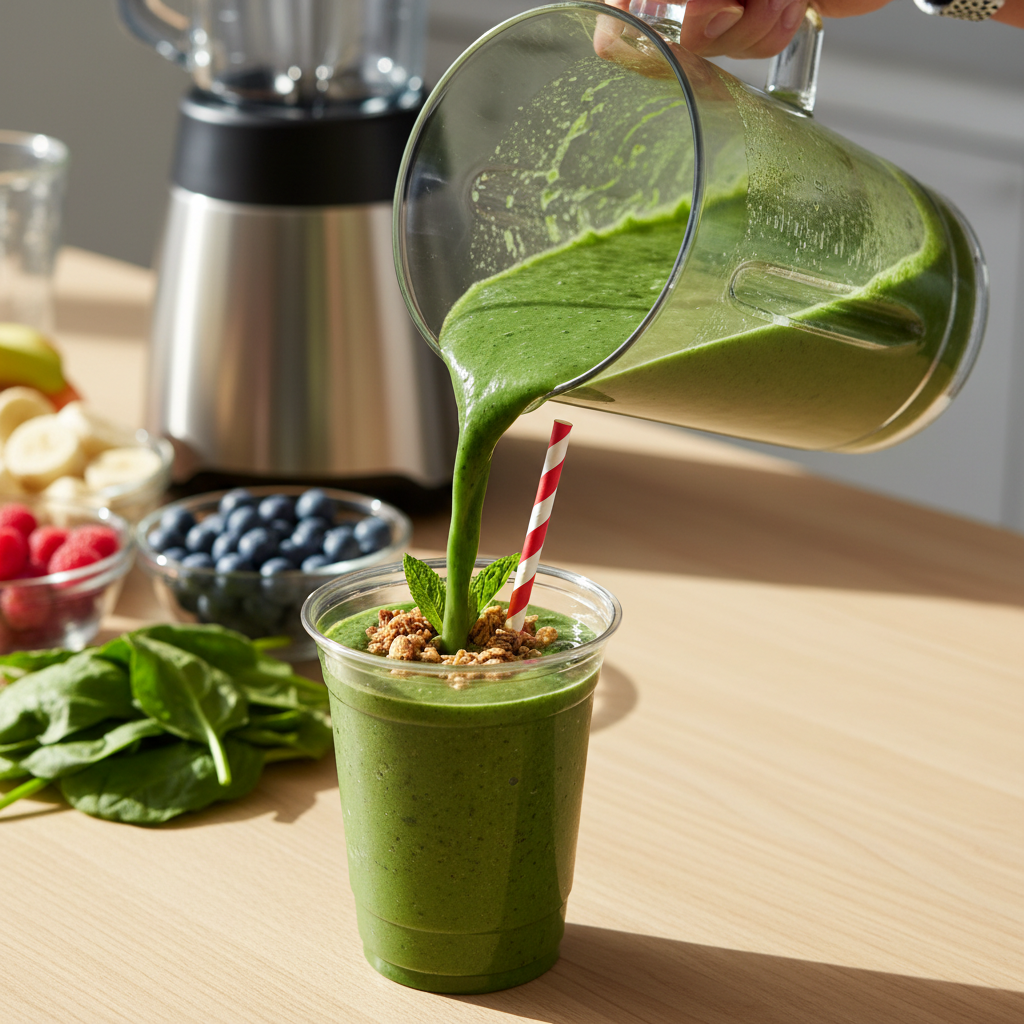
Preparation is crucial for a successful fasting experience. Begin by gradually reducing your intake of processed foods, caffeine, and sugar at least a week before the camp. This step helps minimize withdrawal symptoms and makes the transition smoother. Focus on a diet rich in fruits, vegetables, and whole grains.
Hydration is equally important. Increase your water intake to ensure your body is well-hydrated before you start fasting. Incorporating herbal teas can also be beneficial. If you have any medical conditions, consult a healthcare professional to ensure that fasting is safe for you.
Physical Preparation and Exercise
Engaging in light exercise can help prepare your body. Activities like yoga, walking, or stretching increase flexibility and circulation. Avoid strenuous workouts, as your energy levels may be lower during fasting. Listen to your body and adjust accordingly.
Mental and Emotional Preparation
Mental readiness is just as important as physical preparation. Practice mindfulness and meditation to cultivate a positive mindset. Journaling your thoughts and feelings can also provide insights and motivation throughout the fasting period.
Understanding that emotions may surface during fasting is important. Embrace this emotional release as part of the healing process. Support from fellow participants or camp facilitators can be invaluable.

Packing Essentials for the Camp
When packing for the camp, consider including items that will enhance your comfort and focus. Bring comfortable clothing, a yoga mat, a journal, and any personal care items you may need. If allowed, a book or two on wellness or fasting can provide inspiration.
Remember to pack any medications or supplements you might require. It's better to be over-prepared than to lack necessities in a remote setting.

During the Fasting Camp
Once the camp begins, immerse yourself fully in the experience. Participate in scheduled activities, workshops, and discussions. Engage with fellow participants to share experiences and support each other. Trust the process and allow yourself to adapt to the camp's rhythm.
It's normal to experience challenges such as hunger pangs or fatigue. These are temporary and typically subside as your body adjusts. Rest when needed and stay focused on your goals.
Post-Fasting Transition
As the camp concludes, transitioning back to normal eating should be gradual. Start with small, nutrient-dense meals and avoid overindulgence. Your digestive system needs time to readjust, so be gentle with yourself.
Reflect on your journey and consider incorporating some of the camp's practices into your daily routine. This can help maintain the benefits you've gained and support long-term well-being.